The Impact of Artificial Intelligence on Unemployment in Engineering STEM Fields
Category : | Sub Category : Posted on 2024-10-05 22:25:23
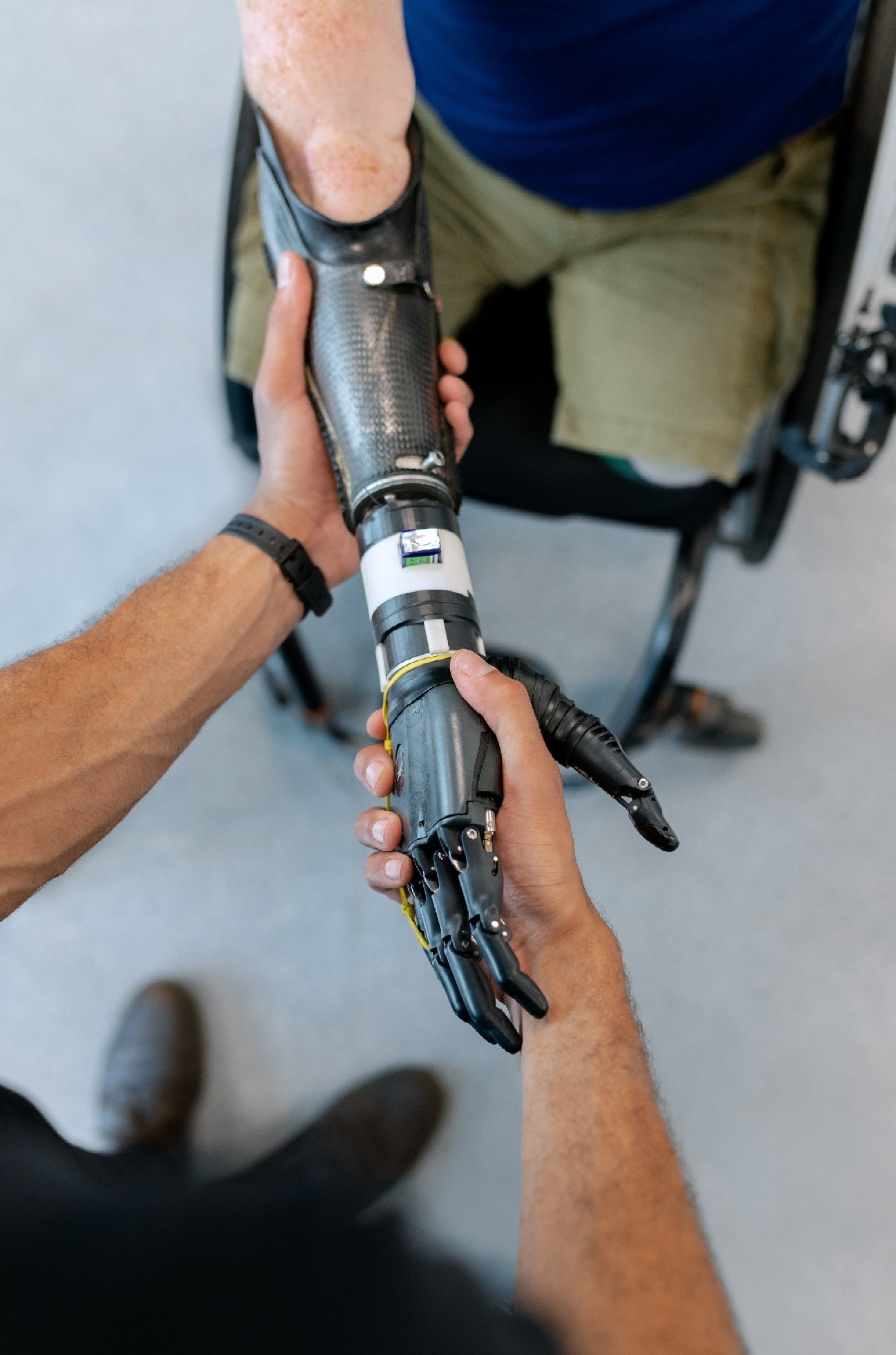
In recent years, the rapid advancement of artificial intelligence (AI) technologies has sparked discussions about its potential impact on various industries, including the fields of engineering and STEM (science, technology, engineering, and mathematics). While AI offers significant benefits in terms of increased efficiency, productivity, and innovation, it also raises concerns about the potential displacement of human workers and the rise of unemployment rates in these highly skilled sectors. One of the main reasons why AI has the potential to disrupt employment in engineering and STEM fields is its ability to automate routine and repetitive tasks that were previously performed by human workers. From computer-aided design (CAD) software that can generate engineering drawings to machine learning algorithms that can optimize manufacturing processes, AI technologies are increasingly capable of performing tasks that require technical expertise and problem-solving skills traditionally associated with engineering professionals. As AI continues to evolve and improve, there is a growing fear that a significant portion of engineering and STEM jobs could be at risk of automation. According to a report by the McKinsey Global Institute, up to 45% of all work activities could be automated using existing technologies, affecting a wide range of occupations, including engineering roles such as mechanical engineers, electrical engineers, and software developers. Furthermore, the adoption of AI technologies in engineering and STEM fields is also reshaping the skill sets and qualifications required for future employment. As AI becomes more integrated into various industries, there is a growing demand for workers who possess a combination of technical skills and digital literacy, as well as the ability to work collaboratively with AI systems and leverage their capabilities to drive innovation and problem-solving. Despite the potential challenges posed by AI in terms of unemployment and job displacement, there are also opportunities for job creation and skill development in engineering and STEM fields. As AI technologies become more widespread, there is a growing need for workers who can design, develop, and maintain AI systems, as well as interpret and analyze the data generated by these systems to make informed decisions and drive business growth. In order to mitigate the potential negative impacts of AI on unemployment in engineering and STEM fields, it is essential for policymakers, educators, and industry stakeholders to collaborate on strategies that promote lifelong learning, upskilling, and reskilling initiatives to prepare the workforce for the demands of an AI-driven economy. By investing in education and training programs that equip workers with the skills needed to thrive in a digital future, we can ensure that the benefits of AI technologies are shared equitably and that no one is left behind in the rapidly evolving landscape of engineering and STEM professions. Click the following link for more https://www.computacion.org
Leave a Comment:
SEARCH
Recent News
- Fostering an Urdu Community in Kuwait through an Engineering and STEM YouTube Channel
- **Navigating Unemployment in Engineering STEM Fields: Tips and Strategies**
- Exploring Test Automation Engineering in STEM: A YouTube Channel to Watch
- Exploring Engineering and STEM on Swiss YouTube Channels
- Are you interested in starting a YouTube channel focused on Singapore properties and engineering in STEM fields? Singapore is a vibrant city with a booming real estate market and a strong focus on science, technology, engineering, and mathematics (STEM). Launching a channel that combines these two aspects can be both informative and engaging for your audience.
- The Intersection of STEM and Rap Music: Engineering a Successful YouTube Channel
- **Empowering Qatar's Youth: A Look at Engineering and STEM YouTube Channels for Business**
- **Exploring Engineering and STEM in New Zealand**
READ MORE
1 year ago Category :

Fostering an Urdu Community in Kuwait through an Engineering and STEM YouTube Channel
Read More →1 year ago Category :

**Navigating Unemployment in Engineering STEM Fields: Tips and Strategies**
Read More →1 year ago Category :

Exploring Test Automation Engineering in STEM: A YouTube Channel to Watch
Read More →1 year ago Category :
